A barcode that scans perfectly on day one can become a problem a week later if the label curls in a chiller, smudges in a warehouse, or rubs off on a pallet. Choosing the right barcode label material starts with the conditions the label will actually face, not just the price per roll.
For ordinary indoor cartons, retail products and short-life dispatch labels, paper is usually the sensible choice. For moisture, outdoor exposure, repeated handling, chemicals, freezer storage or long-term asset identification, synthetic labels are normally worth the higher initial cost. The adhesive and print method matter just as much as the label face material.
A cheap paper label is not a bad label. It is simply the wrong label for a wet seafood carton, a Dubai yard asset, or a hotel laundry item that will go through repeated wash and dry cycles.
Start with the job the barcode label material must do
Before selecting a label, define how long it needs to remain readable and what happens to the item after it is labelled. A shipping carton may only need a barcode for a few days. A fixed asset label on a laptop, rack or electrical panel may need to remain in place for years.
- Surface: Is it smooth cardboard, plastic, painted metal, glass, fabric, a curved bottle or a rough carton?
- Exposure: Will the label meet water, condensation, oil, cleaning chemicals, sunlight, heat, freezing temperatures or abrasion?
- Life span: Is the label needed for a single delivery, seasonal stock, or permanent asset tracking?
- Handling: Will staff scan it once, or will it be rubbed against shelves, pallet wrap, bins and conveyors every day?
- Print method: Is the label being printed direct thermal or thermal transfer?
These answers narrow the choice quickly. It is usually more useful to describe the application than to ask for a “durable label” without context. Durable means something different for a dry warehouse shelf than it does for a cold-room or a maintenance workshop.
Paper labels for dry, short-life applications
Paper labels are the everyday option for many barcode applications. They print clearly, are economical, and work well on clean, dry surfaces. For a retailer labelling packaged goods, a distributor marking cartons, or a warehouse printing picking labels for indoor use, paper labels are often the right call.
Paper is also a practical choice when label volume is high and the label is disposable. A carton label that travels from a Dubai warehouse to a local customer over a few days does not usually need a premium synthetic face stock.
Where paper labels fit well
- Retail product and price labels kept indoors
- Shipping and dispatch labels with a short service life
- Warehouse bin and carton identification in dry areas
- General inventory labels on clean packaging
- Temporary promotions and event labels
The limits are straightforward. Paper can tear, absorb moisture and scuff more easily than synthetic material. Condensation is especially troublesome: a label applied to a chilled product or carton can lift or wrinkle if the adhesive is not suited to the surface and application temperature.
Synthetic barcode labels for demanding conditions
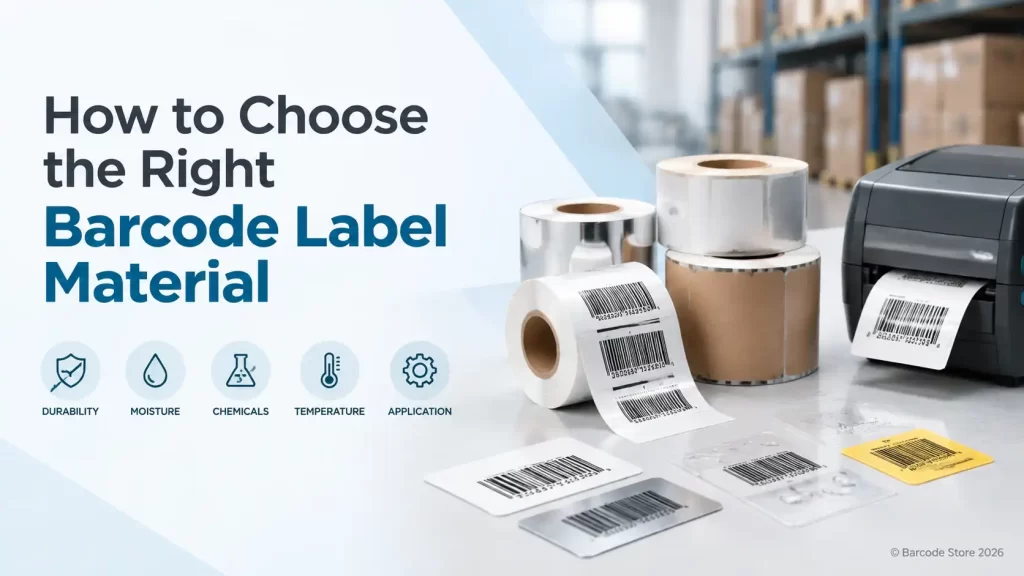
Synthetic labels cost more than paper, but they solve real problems. Polypropylene and polyester are common choices where labels need better resistance to water, handling and wear. The right synthetic material depends on what is attacking the label and how long it must last.
| Material | Typical strengths | Good applications | Limits to consider |
|---|---|---|---|
| Paper | Economical, easy to print, clear barcode quality | Indoor retail, cartons, short-term warehouse labels | Can tear, absorb moisture and scuff |
| Polypropylene | Water-resistant, flexible, more durable than paper | Plastic containers, chilled goods, product labels, general waterproof barcode labels | Not every grade suits heavy chemical exposure or permanent asset marking |
| Polyester | High resistance to abrasion, moisture and many demanding conditions | Asset labels, equipment labels, industrial identification | Usually costs more and needs the right adhesive for the surface |
| Specialty synthetic materials | Selected for particular conditions such as high heat, chemicals or fabric handling | Industrial, laboratory, laundry and specialist uses | Should be tested against the real application before a full order |
Polypropylene is often a sensible step up from paper. It suits applications where splash resistance and flexibility matter, such as plastic bottles, food containers, chilled stock and warehouse products exposed to occasional moisture.
Polyester is normally the stronger choice for durable labels on assets and equipment. For example, a barcode on an IT asset, racking location, tool cabinet or machinery panel may be handled and cleaned repeatedly. A polyester label printed with the correct ribbon is far more suitable than paper in that situation.
For a UAE warehouse with open loading areas, dust and heat can be as relevant as water. A label that stays readable in a climate-controlled office may deteriorate quickly on equipment stored near a loading bay or outdoors.
Adhesive choice is half the decision
The face stock gets attention, but the adhesive decides whether the label stays where it was applied. The same label material can perform very differently with a general-purpose, permanent, removable or freezer-grade adhesive.
Common adhesive types
- Permanent adhesive: A practical default for cartons, products, bins and assets where removal is not expected. It suits clean, dry surfaces and can also be specified for more demanding materials.
- Removable adhesive: Useful for temporary stock identification, rental items or labels that must come off without leaving much residue. It is not the right choice for a label expected to survive hard handling.
- Freezer or cold-temperature adhesive: Designed for applications involving chilled or frozen products. The key detail is the application temperature, not only the storage temperature. Applying a standard label to a cold, damp carton is a common cause of failure.
- High-tack adhesive: Used where the surface is textured, rough, curved or difficult, such as some plastics, drums and certain painted surfaces.
Adhesive needs a clean surface. Dust, oil, condensation and loose carton fibres can defeat even a good label. If labels are applied to plastic containers or metal assets, a small sample test is a sensible step before committing to a large production run.
Direct thermal and thermal transfer compatibility
The print technology changes the material decision. Direct thermal labels darken through heat from the printhead and do not use a ribbon. Thermal transfer labels use a ribbon to place the image onto the label surface.
Direct thermal works well for short-life labels: dispatch labels, receipts, visitor labels and fast-moving warehouse tasks. It is convenient and avoids ribbon management, but the image can fade with heat, sunlight, friction and time. In UAE conditions, labels left in a hot vehicle or exposed to strong light should not be assumed to remain readable for long.
Thermal transfer is usually the better route for labels that need to last. The combination of suitable label stock and ribbon can provide sharper, more resistant printing on synthetic materials. This is the normal direction for asset labels, long-term bin labels, product labels exposed to handling, and many industrial applications.
For synthetic barcode labels, thermal transfer is generally the more dependable option. The ribbon still has to match the label. Wax ribbons often suit standard paper work, while wax-resin and resin ribbons are commonly chosen where better rub resistance and durability are needed. The exact ribbon depends on the label surface and exposure, so it should not be selected by price alone.
Matching materials to common UAE applications
Warehouse and logistics labels
Dry indoor carton and picking labels can often use paper with a permanent adhesive. For pallet labels that are exposed to wrap film, friction and loading areas, thermal transfer labels may be the better choice. If the barcode must remain readable through repeated stock movements, moving up to synthetic stock can reduce relabelling.
Cold storage and food distribution
Cold rooms create two separate issues: low temperature and condensation. A label may need a cold-temperature adhesive, and it must be applied under conditions the adhesive can handle. Polypropylene is often useful where moisture resistance is needed, but the full construction should be checked for the actual product surface and temperature.
Retail and product labelling
Paper labels suit many dry retail shelves and packaged products. A cosmetic bottle, cleaning product or chilled food pack may need a more moisture-resistant material. For curved containers, flexibility matters as much as adhesion; a stiff label can lift at the edges.
Asset identification
For laptops, tools, network equipment, shelving, appliances and machinery, durable barcode labels are usually the right investment. Polyester with thermal transfer printing is often appropriate because the label may be scanned over a long period and exposed to cleaning, rubbing or heat.
Laundry and hospitality use
Ordinary paper and standard synthetic labels are not suitable for repeated industrial washing. Fabric and laundry identification needs material and attachment methods designed for hot washes, chemicals and mechanical action. It is better to specify the wash process, drying method and item fabric before choosing the label.
Where SoluWise label options fit
SoluWise supplies barcode label material for standard paper applications as well as more demanding synthetic barcode labels. Paper stock is a practical option for routine retail, dispatch and indoor warehouse work where the label has a limited life. It keeps running costs sensible without paying for performance the application does not need.
For moisture, friction and longer service life, synthetic barcode labels are a better fit. They are worth considering for chilled goods, plastic containers, warehouse locations, equipment and applications where a failed label causes delays or manual data entry.
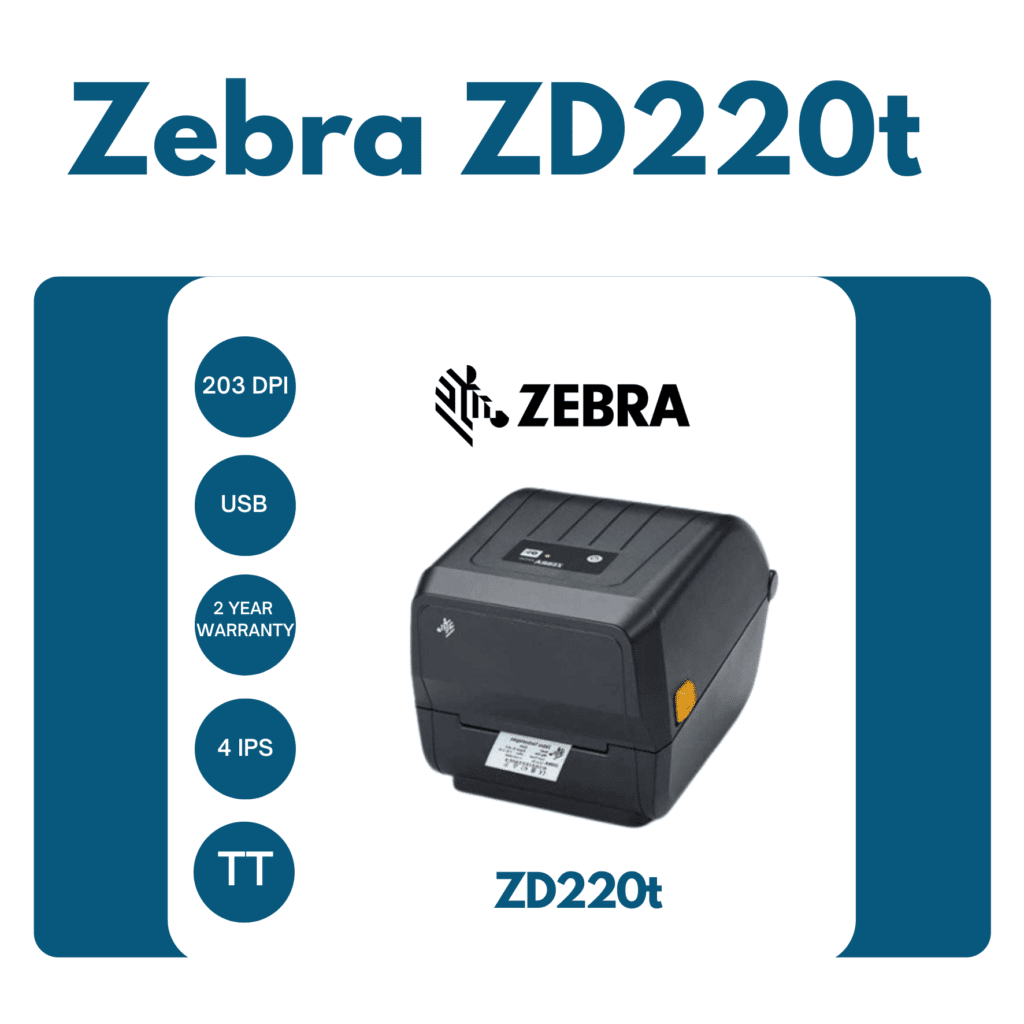
Thermal transfer labels suit businesses that need a more durable printed image and have a compatible thermal transfer printer and ribbon. Zebra and TSC printers are commonly used for barcode labelling workflows, while Brady is particularly associated with industrial identification applications. Printer choice should support the required label size, print volume and media type; a printer cannot make an unsuitable label material survive a demanding environment.
Barcode Store can be a useful reference point for standard barcode labelling needs, but material selection should still be based on the actual application rather than a generic roll description.
Mistakes that lead to label failures
- Choosing paper because the barcode is only needed for a few months, without considering moisture or abrasion during those months.
- Specifying a freezer label based only on storage temperature and ignoring the temperature at which the label is applied.
- Using direct thermal for a barcode that must remain readable in heat, sunlight or long-term storage.
- Ordering a permanent adhesive for a rough, oily or heavily textured surface without testing it.
- Changing to a synthetic face stock but keeping an unsuitable ribbon, resulting in print that can still rub away.
- Assuming “waterproof” means resistant to every chemical, wash process and outdoor condition.
A sample test is inexpensive compared with relabelling stock, replacing asset tags or dealing with barcodes that will not scan during an audit.
Frequently asked questions
What is the best barcode label material for a warehouse?
For dry indoor cartons and short-life identification, paper is often enough. For location labels, reusable bins, high-handling stock or loading areas, synthetic material with thermal transfer printing is usually more suitable.
Are synthetic barcode labels waterproof?
Many synthetic labels resist water far better than paper, particularly polypropylene and polyester. Water resistance does not automatically mean resistance to chemicals, pressure washing or repeated laundry cycles, so the intended exposure still matters.
Can direct thermal labels be used in a freezer?
They can be used in some short-term cold-chain applications if the label construction and adhesive are suitable. For labels that must remain readable for extended periods, thermal transfer is generally the safer choice.
Which material is suitable for asset tags?
Polyester is commonly selected for durable asset labels because it resists wear and moisture better than paper. Pairing it with a suitable thermal transfer ribbon helps the printed barcode remain legible.
Why are barcode labels peeling off plastic containers?
The adhesive may not suit the plastic, the surface may be dusty or oily, or the container may be cold or damp at application. A high-tack or application-specific adhesive may be needed.
Do I need thermal transfer labels for every synthetic label?
No. The correct method depends on the lifespan and exposure of the barcode. However, thermal transfer is usually preferred where synthetic labels need a durable, rub-resistant image.
Choose for the failure you need to avoid
The practical rule is simple: use paper for clean, dry and short-life work; use polypropylene where flexibility and moisture resistance are needed; and consider polyester with thermal transfer printing for durable labels on assets and equipment. Then select the adhesive for the surface and the temperature at application.
If the application involves cold rooms, chemicals, outdoor equipment, repeated handling or laundering, SoluWise can help assess the label surface, print method and working conditions before you order. Sending a photo of the item and a brief description of its environment is often enough to narrow the options.